
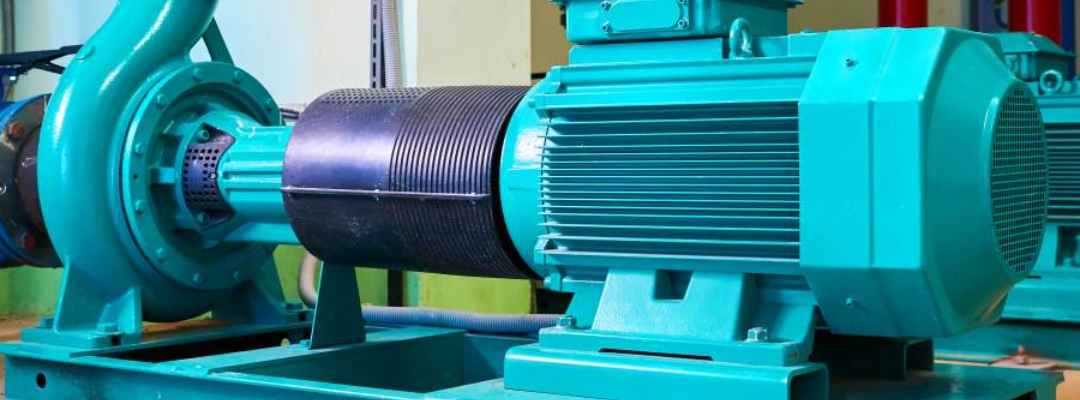
Selecting the right pump for your application is critical to ensuring efficiency, longevity, and optimal performance. A pump is a mechanical device that transports liquids or gases by converting mechanical energy into hydraulic energy. However, not all pumps are created equal—choosing the wrong type can lead to premature wear, inefficiency, and even system failure.
This comprehensive guide will walk you through key factors to consider when selecting a pump, including types of pumps, media properties, flow rates, suction requirements, and head calculations.
Understanding Pump Selection Criteria
When choosing a pump, the primary factor to consider is the type of media being handled. Different pumps are designed to handle varying consistencies, temperatures, and chemical compositions of fluids. Here’s what you should evaluate:
- Chemical Composition & Corrosion Resistance – Determine if the liquid is neutral, acidic, or alkaline to select the right pump material (e.g., stainless steel for corrosive fluids).
- Viscosity & Density – Highly viscous fluids (such as oils or slurries) require specialized pumps like positive displacement pumps rather than centrifugal ones.
- Presence of Solids – If the media contains particles, debris, or solids, opt for pumps designed to handle abrasives without clogging.
Key Factors in Choosing the Right Pump
To correctly size and select your pump, you must calculate and analyze the following parameters:
Flow Rate (Capacity)
- Definition: The volume of liquid the pump can move per unit of time (measured in cubic meters per hour (m³/h) or gallons per minute (GPM))
- Why It Matters: A higher flow rate requires a larger pump size to prevent overloading or inefficiency.
Suction Head (Lift Height & Suction Pressure)
- Definition: The vertical distance between the liquid source and the pump.
- Guideline:For surface pumps, suction head should not exceed 10 meters, or else you may require a submersible pump.For deep wells, a deep-well jet pump or submersible pump is recommended.
3. Discharge Head (Delivery Pressure & Height)
- Definition: The height at which the pump must push the liquid after it has been lifted.
- Why It Matters: A higher discharge head requires a pump with stronger pressure output, like a multistage centrifugal pump.
4.Friction Losses in Piping System
- Definition: Pressure losses occur due to valves, bends, and pipe length, impacting efficiency.
- Solution:Use larger diameter pipes for less resistance.Reduce unnecessary bends and fittings in the system.Select a pump with slightly higher capacity to compensate for losses.
5.Temperature & Material Compatibility
- Why It Matters:Extreme temperatures impact pump housing materials.
- Hot liquids may require special gaskets and seals.
- Cold environments require anti-freezing considerations.
Pump Types & Their Applications
Different pumps are suited for different applications. Below is a comparison of common pump types and their best uses:
| Pump Type | Best For | Key Benefits |
|---|---|---|
| Centrifugal Pump | Clean water, HVAC, Irrigation | High efficiency, continuous flow |
| Submersible Pump | Deep wells, Sewage systems | Handles high depths, prevents cavitation |
| Diaphragm Pump | Chemicals, Slurry, Viscous liquids | Handles abrasives, self-priming |
| Peristaltic Pump | Pharmaceuticals, Food processing | Gentle pumping, avoids contamination |
| Gear Pump | Oil, Lubricants | Precise flow, high-pressure handling |
Avoiding Common Mistakes in Pump Selection
- Choosing the Wrong Pump for Viscous Fluids → Ensure you check viscosity compatibility before purchase.
- Ignoring NPSHa (Net Positive Suction Head Available) → This leads to cavitation, causing pump failure.
- Undersizing or Oversizing the Pump → Results in inefficiency or excessive power consumption.
- Solution: Always consult manufacturer specifications and use pump sizing calculators.